
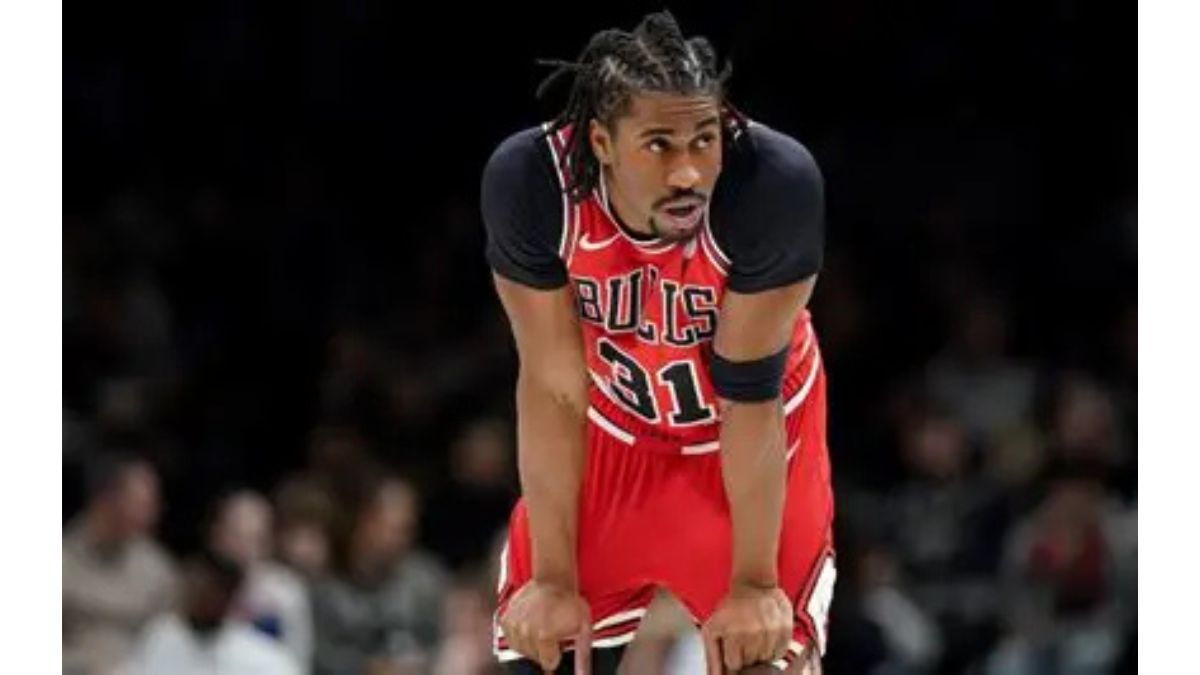
Jaden Ivey fired after viral Pride Month comments caused controversy leading Chicago Bulls to release him immediately.
The sudden release of Jaden Ivey by the Chicago Bulls in 2026 became one of the most discussed NBA stories of the year.
What made the situation so explosive was not his performance on the court, but a viral social media video that triggered a wider debate about free speech, religion, and professional responsibility in modern sports.
In today’s NBA, players are not only judged by their game but also by their public behavior. This incident shows how quickly a single post can turn into a career-changing moment.
The Viral Video That Started Everything
The controversy began when Jaden Ivey posted a video on social media discussing Pride Month. In the video, he expressed strong personal and religious views and criticized the NBA’s public support for LGBTQ-related campaigns.
The video quickly spread across major platforms such as TikTok, Instagram, and X (Twitter). Within a very short time, it reached millions of views and became a trending topic in sports and entertainment news.
The reaction from the public was immediate and divided.
A section of fans supported Ivey, saying he was simply expressing his religious beliefs and personal opinions.
However, another large group strongly criticized the comments, calling them inappropriate and not aligned with the values of inclusion and respect promoted in professional sports.
As the video continued to circulate, the pressure on the Chicago Bulls organization increased rapidly. What might have started as a personal opinion online quickly turned into a major public relations issue for the team.
Chicago Bulls Decision: Why He Was Released
Shortly after the controversy gained attention, the Chicago Bulls made the official decision to waive Jaden Ivey. The team described the move as being due to “conduct detrimental to the team.”
While the statement did not directly mention the video, the timing made it clear that the viral content played a major role in the decision.
In modern professional sports, organizations are highly sensitive to public perception, sponsorship relationships, and team culture.
The NBA has built a strong global brand based on values such as diversity, equality, and inclusion. Because of this, teams are expected to ensure that players represent those values both on and off the court.
When a player’s public statements appear to conflict with those principles, it can create internal and external pressure for action.
From the Bulls’ perspective, several factors likely influenced the decision.
The organization needed to protect its reputation, avoid ongoing controversy, and maintain a stable locker room environment.
Media attention was growing quickly, and the story was no longer just about one player it was becoming a league wide discussion.
Head coach Billy Donovan also responded carefully when asked about the situation.
Instead of focusing on the controversy itself, he emphasized the importance of team unity, professionalism, and emotional stability within the squad.
His measured response reflected how organizations often try to avoid escalating sensitive issues further in public.
A Divided Debate Across Social Media
After Jaden Ivey was waived, public reaction became even more intense. Social media platforms were flooded with opinions from fans, analysts, and commentators.
The debate quickly turned into a broader cultural discussion that went beyond basketball.
One side of the argument focused on freedom of speech and religious expression. Supporters of Ivey argued that he has the right to share his personal beliefs, even if others disagree with them.
They believed that punishing a player for expressing faith sets a concerning precedent and limits individual freedom.
On the other hand, critics argued that professional athletes carry a responsibility as public figures. Because they represent teams, leagues, and sponsors, their words can have a wide impact.
From this perspective, the issue was not about personal belief, but about the potential harm or division caused by public statements.
The controversy highlighted a growing challenge in modern sports: balancing personal identity with professional responsibility.
Athletes today live under constant public scrutiny, where every post, comment, or video can be instantly amplified and analyzed.
Jaden Ivey’s Response and His Side of the Story
After being released, Jaden Ivey addressed the situation publicly through social media.
He questioned the decision and suggested that he was being punished for expressing his religious beliefs rather than any misconduct or violation of team rules.
His response added another layer to the discussion. For his supporters, it reinforced the idea that he was treated unfairly for his personal faith.
For critics, it raised further questions about whether public figures fully understand the impact of their statements in sensitive social discussions.
The situation quickly shifted from a sports controversy into a wider debate about culture, values, and freedom of expression.
Instead of focusing only on basketball, the conversation expanded into legal, ethical, and social dimensions.
Impact on His Career and the NBA Environment
Being released by a team like the Chicago Bulls is a significant moment in any player’s career. For Jaden Ivey, the controversy may affect his future opportunities in the league, at least in the short term.
Teams often consider not only talent but also public image, team chemistry, and media attention when making roster decisions.
However, it is also important to note that professional sports careers are dynamic.
A player’s future can change based on performance, public perception, and how they respond to challenges.
If Ivey manages to rebuild trust and focus on his game, there is still a possibility for him to continue his NBA journey with another team.
For the NBA as a whole, this incident reinforces how important off-court behavior has become.
The league continues to position itself as a global brand that promotes inclusion, respect, and social awareness.
As a result, teams are increasingly careful about managing situations that could create controversy or conflict with those values.
The story of Jaden Ivey’s release from the Chicago Bulls is not just about one player or one team. It represents the modern reality of professional sports, where social media, public opinion, and organizational values all intersect.
A single viral video can now change the direction of a career within hours.
In Ivey’s case, his comments sparked a debate that reached far beyond basketball, touching on freedom of speech, religion, and responsibility in the digital age.
While opinions remain divided, one thing is clear: today’s athletes operate in a highly visible world where every action matters.
Performance on the court is only one part of the equation. What players say and do off the court can be just as influential sometimes even more.
The Jaden Ivey controversy serves as a reminder that in modern sports, the line between personal expression and professional responsibility is thinner than ever before.